- Nov 9, 2025
Why I Bring the Polyvagal Theory to Montessori Teachers
- Maria Chaffin
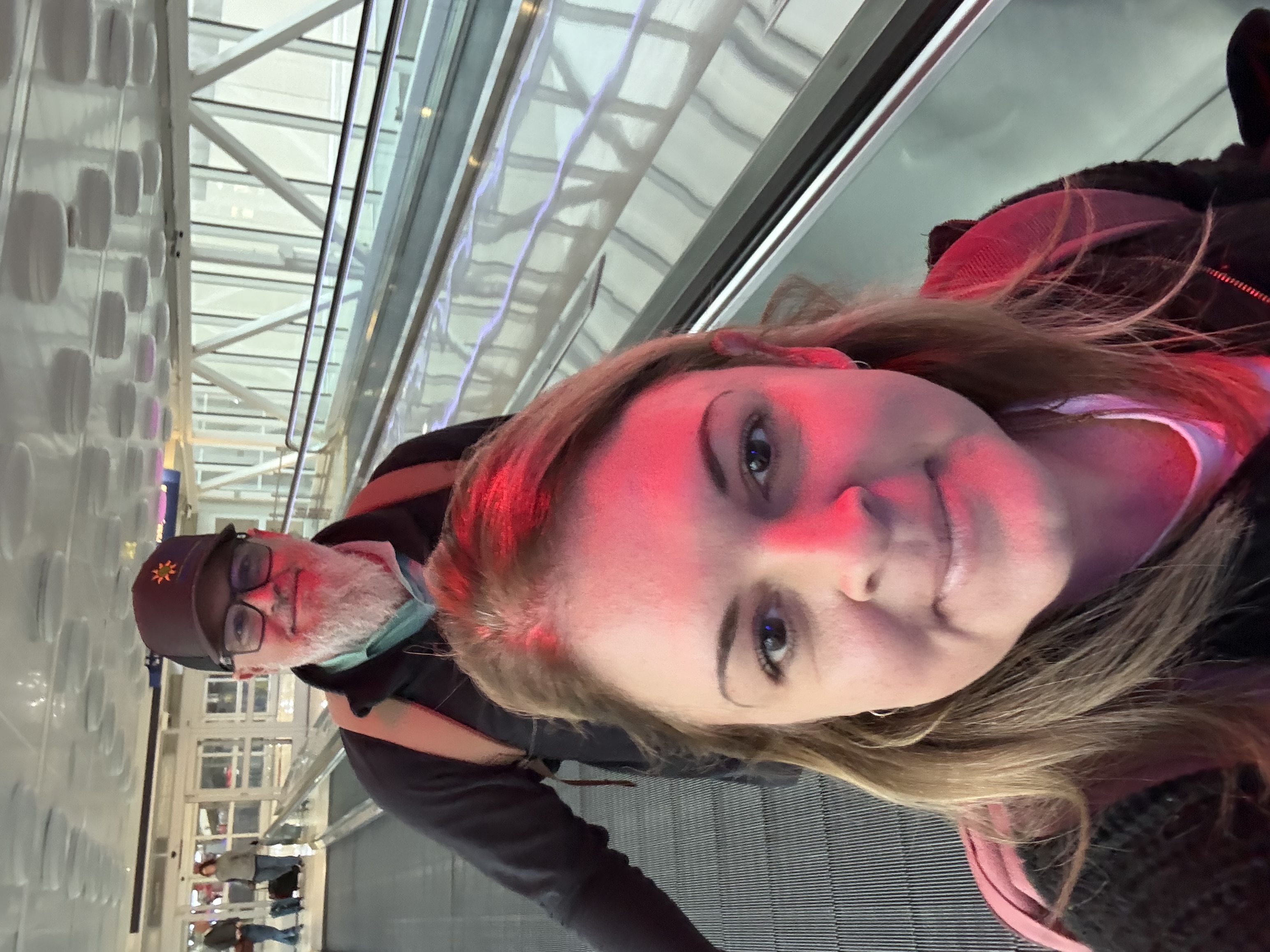
I’m writing this from the airport in Indianapolis, waiting for my flight after the United Montessori-Indiana Conference.
After listening to so many teachers there, and receiving countless messages through Instagram from others. I’m even more convinced that this is the work I need to keep doing.
If I want to truly advocate for neurodivergent children, I need to keep helping teachers. Because teachers are the ones holding space every day, and they need support just as much as the children do.
I’ve been thinking a lot about why I keep bringing the Polyvagal Theory into our Montessori work, and the answer is simple: the work begins with us.
Over and over again, I see incredible teachers burning out. Not because children are misbehaving, but because we are trying to be superheroes. We show up every day activated, like butterflies, constantly fluttering from one thing to another, managing the classroom, supporting children, navigating our own lives, and never stopping long enough to check in with ourselves.
The truth is, we can’t stay regulated when we don’t even notice what’s happening inside our own nervous system. We often expect ourselves to be calm, patient, and present all the time, but that’s not realistic. It’s not about being calm all the time, it’s about being aware.
When we begin to understand our own nervous system, we also begin to understand the children’s. We realize that the child who comes in dysregulated didn’t necessarily “wake up on the wrong side of the bed.” Maybe their nervous system is activated from something at home, and what they need first is connection, not correction.*
The Polyvagal Theory gives us the language and the tools to see that every behavior is communication, from both the child and the adult. It helps us “warm up” the nervous system, both theirs and ours, so we can meet each other in safety, not survival.
And here’s the part that I believe we’re missing: the solution isn’t more breaks, more days off, or extra planning time. Because we can reset during a day off, but when we come back, we often fall into the same patterns. The real change happens when we learn how to reset during the day, with the children.
It’s learning to say, “I can’t give lessons today; I’m activated, I’m in fight or flight.” And instead of pushing through, we need to choose to play, to find joy, and to breathe alongside the kids. That play, that laughter, that pause in giving lessons, it’s not wasted time. It’s regulation. It’s what brings you back to yourself.
We have to let go of the old paradigm that says we must always give lessons for children to learn. Because they are always learning, and what they learn most deeply is what they see. When they see you joyful, calm, and connected, they are learning what it means to be human. They are learning through you.
So no!!!!!! ......... We don’t need to be superheroes. We need to be aware, connected, and human. That’s where real teaching begins.
And I want to ask the world, especially all teachers, caregivers, and parents..........to choose life.
Choose your life. Choose presence over perfection. Choose to notice yourself before trying to fix everything around you. Because when we choose life, our nervous system, our joy, our humanity, we remind every child watching us that life is not about doing more. It’s about being here.